I could see extending the limitation of the loopback address to also include the private IP ranges. I assume in that case it is extremely unlikely that the server will have an https certificate, so that's another reason to keep the limitation on the private IP ranges rather than allowing arbitrary IP addresses.
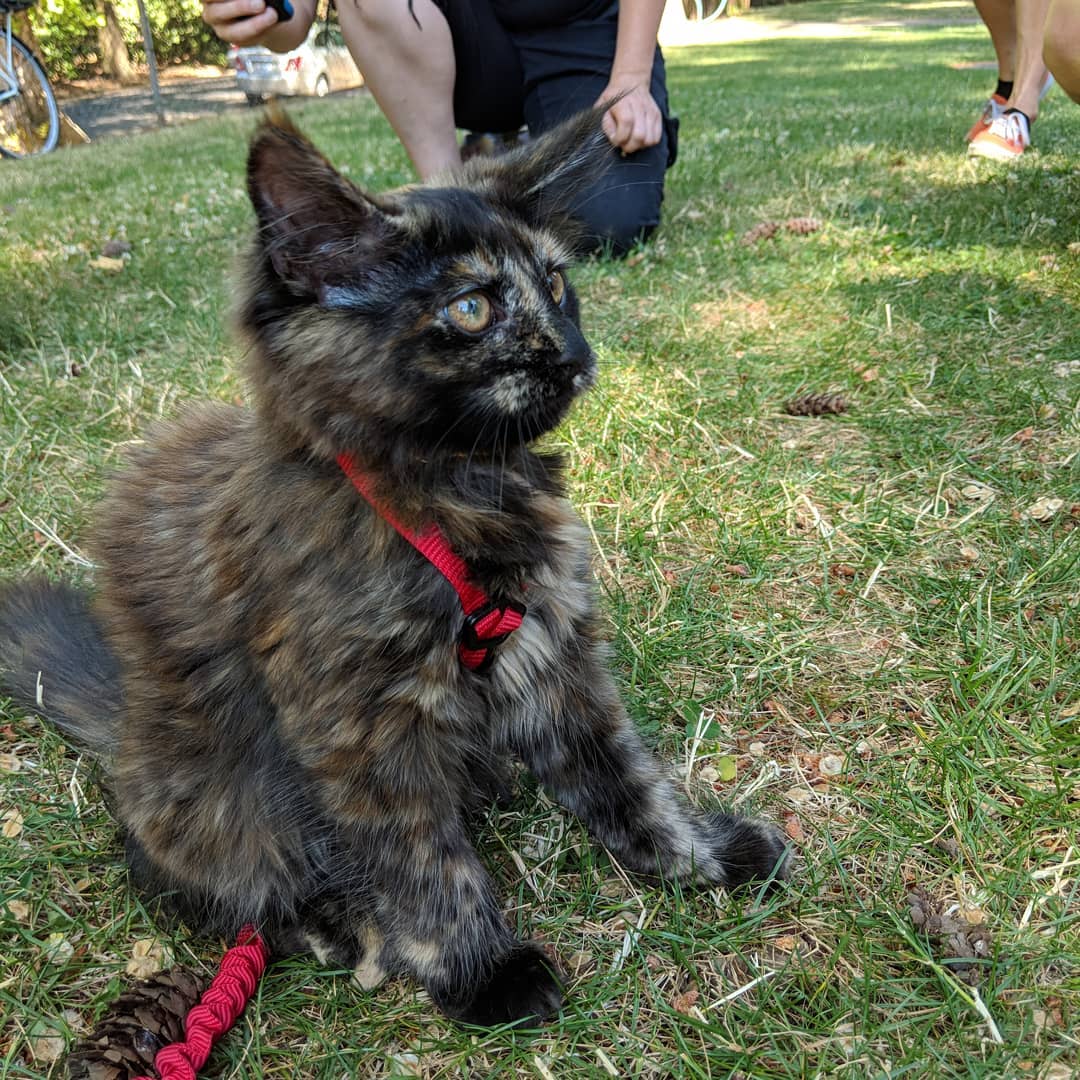
One of the benefits of the client ID being a publicly accessible web page is that the authorization server can fetch the application name and icon from that page.
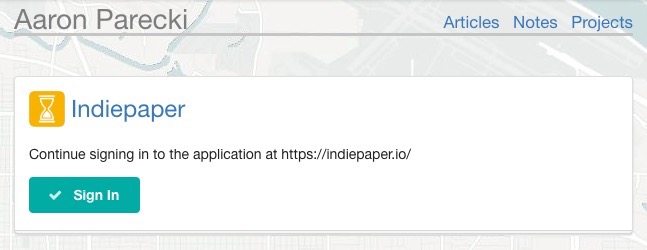
In the case of using a private IP address, the authorization server won't be able to fetch any information about the client, so the prompt will show just the IP.
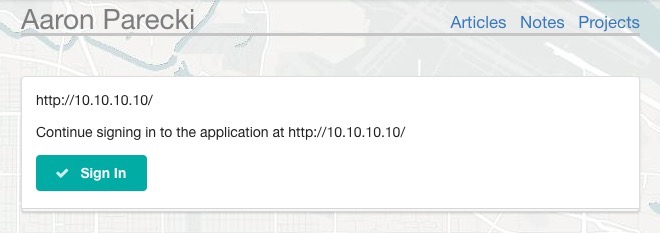
The other option is to use https://www.home-assistant.io/ as the client ID, allowing just the redirect URL to be a private IP. This breaks the rule of the client ID and redirect URL hostnames matching, so servers may show a warning like the below, but at least the application info is visible.

My greatest lifehack has probably been removing the laptop charger from near the couch.
@aaronpk I agree, you get to read multiple perspective on a topic. Of course, they are comments on web; so have to sort through some terrible ones. But I find the overall balance is on manageable side.
@aaronpk yeah. this was judged this least-complicated of all the possible options
@aaronpk oh, weird. I haven't ever seen that emoji before, that was mainly why i was confused
@aaronpk really enjoying the custom emoji, thanks
@aaronpk PS: I should mention that I started following you from the other instance. But still could not see your post before searching for it.
@aaronpk yes. Exactly tried that. It does not work. Also, I can't seem to see the boost I did from a different instance looking at this account.
@aaronpk for some reason, this post does not federate well with all Mastodon instances. I'm trying to boost it from another account elsewhere, but I can't seem to see it. Any clue?
IndieAuth sounds interesting as a more generic way for federated applications to allow app registrations https://indieauth.spec.indieweb.org/
The question is how do we adapt this after our current, extremely similar but somewhat different system has been in production use for around 2 years #mastodev